I’m a systems-level UX writer.
Project example: Help Tool
Problem
Rive’s feature set was expanding fast, and churn interviews (~20) revealed that the learning curve was too steep, especially around State Machines and the newer Data Binding workflow.
Idea —> Solution
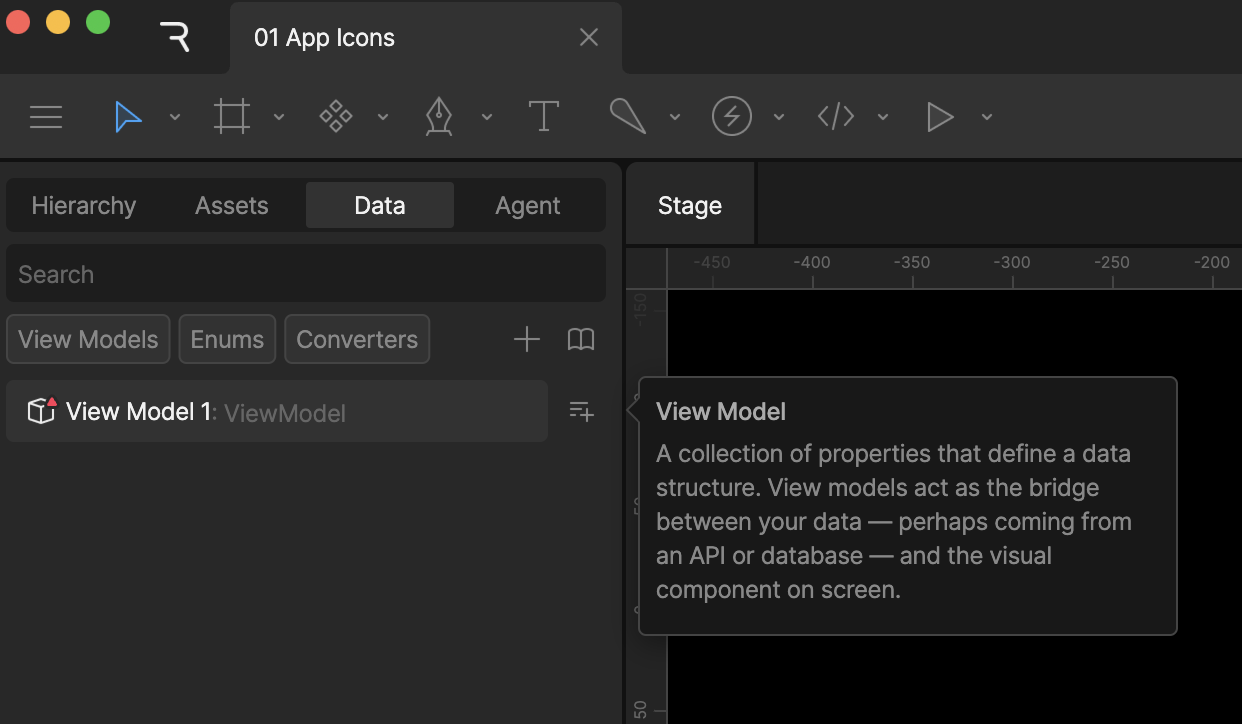
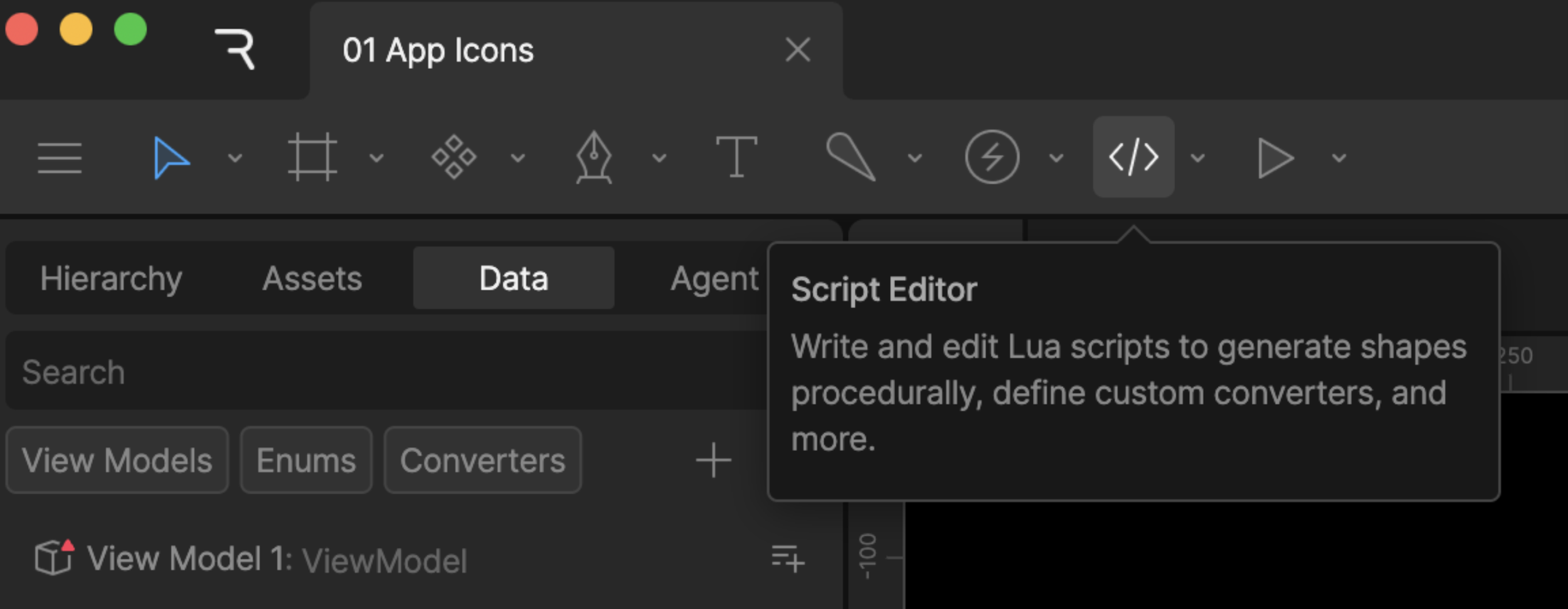
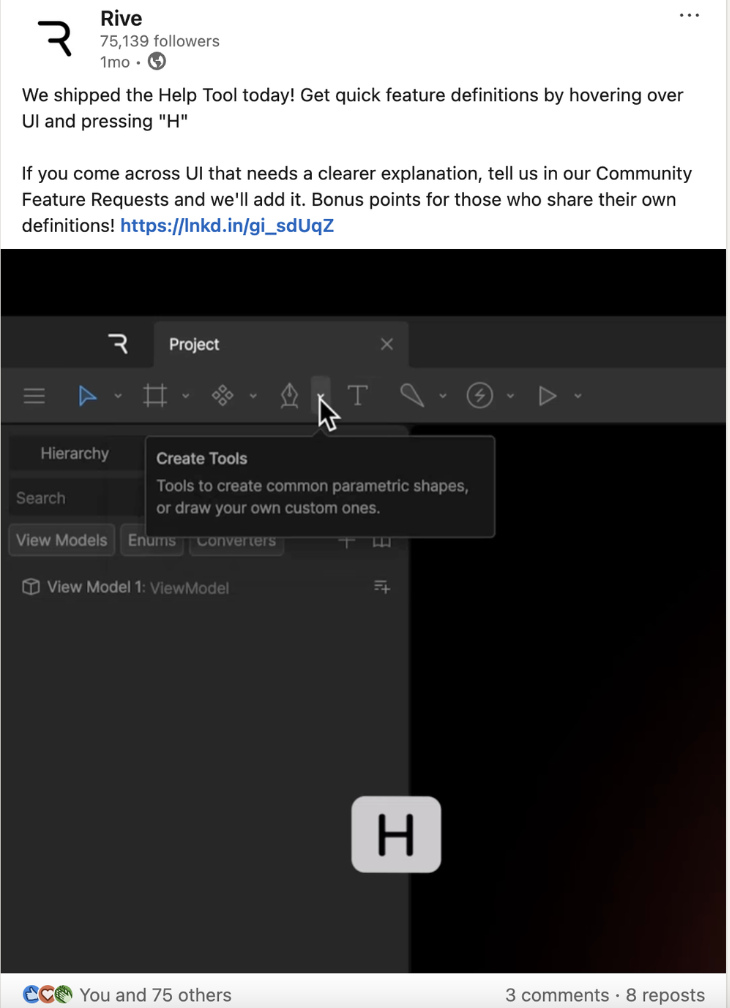
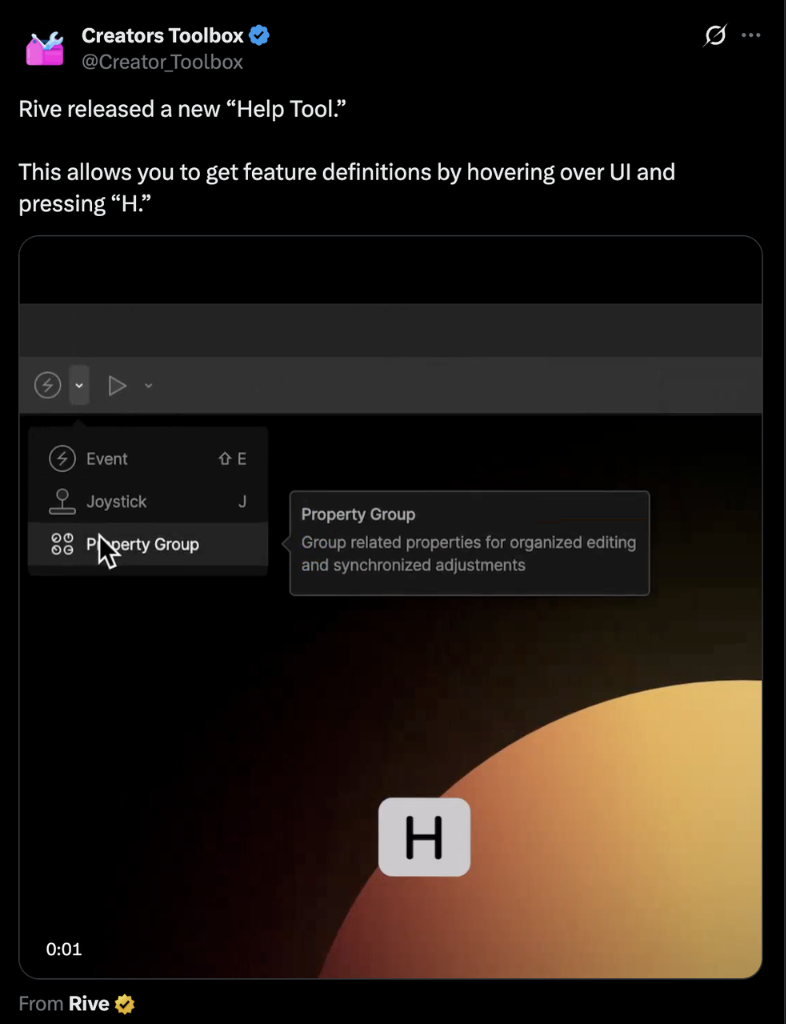
A Help Tool inside the Editor: hover UI + hold H to reveal a short definition and a link to the right documentation.
Process
Partnered with Rive’s product designer and met biweekly over six months.
Built and refined a spreadsheet inventory of Editor UI by panel, each with a working definition + final definition + doc link.
Prioritized which tooltips to ship first based on churn interview themes (State Machines + Data Binding surfaces).
Authored and edited ~150 definitions, using a consistent microcopy system (tool = verb-led, concept = “A..” definitions, 1-2 sentences, concrete terms).
Measurement + iteration
Instrumented usage in Amplitude at the individual-definition level to track which terms were being pulled up most often. This created a quantitative signal of where users were confused and where docs/education needed reinforcement.
Cross-functional leverage
This project connected:
Design: surfacing which UI needed clearer naming, hierarchy, or affordances
Growth: tying churn interview insights to product learning friction
Docs/Education strategy: using Amplitude “most-opened definitions” to prioritize tutorials, doc IA improvements, and future onboarding
Product + Engineering: shipping a lightweight, measurable learning layer inside the Editor that can expand as the product evolves